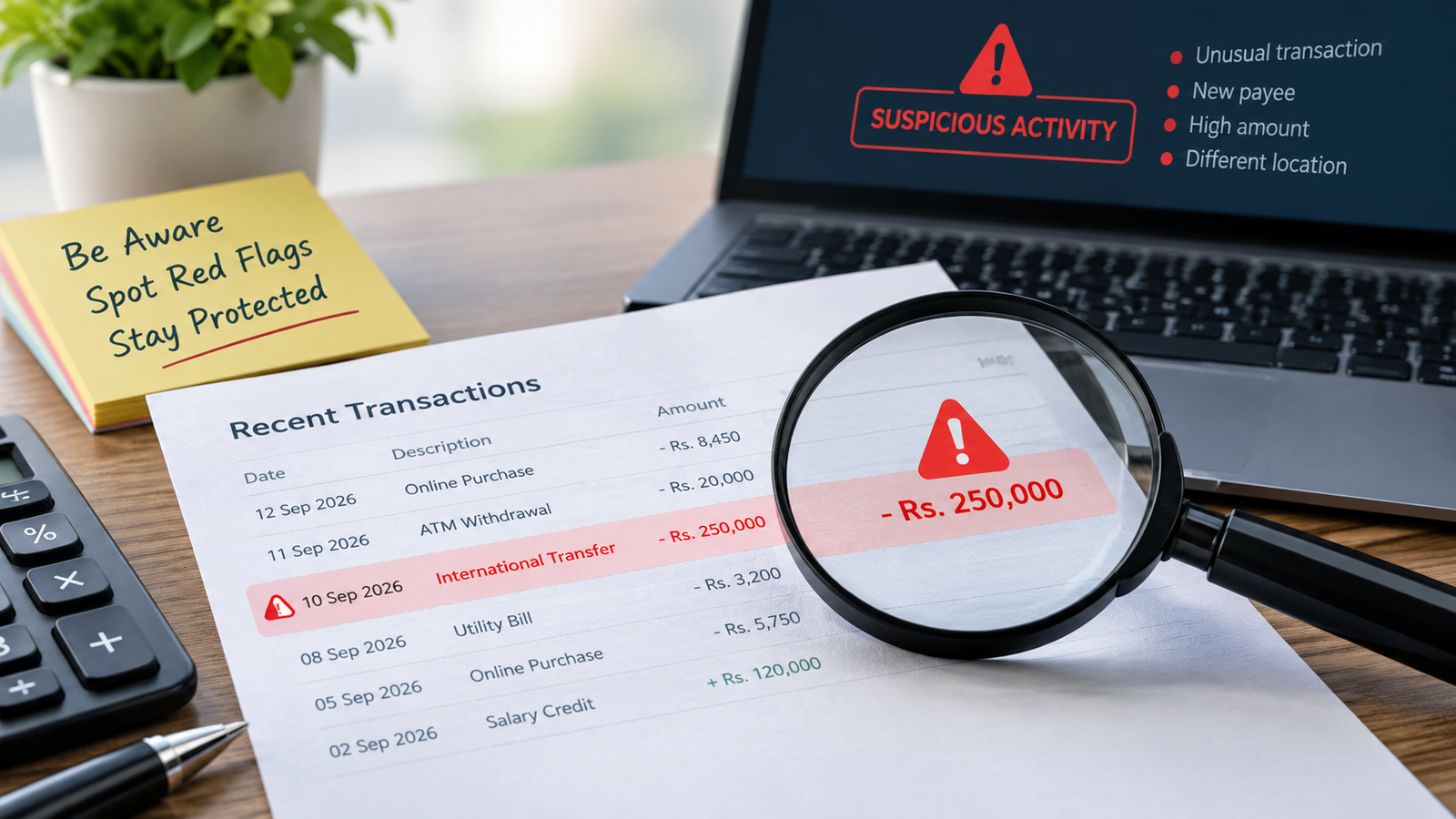
What Is Transaction Monitoring in Banking? How It Works
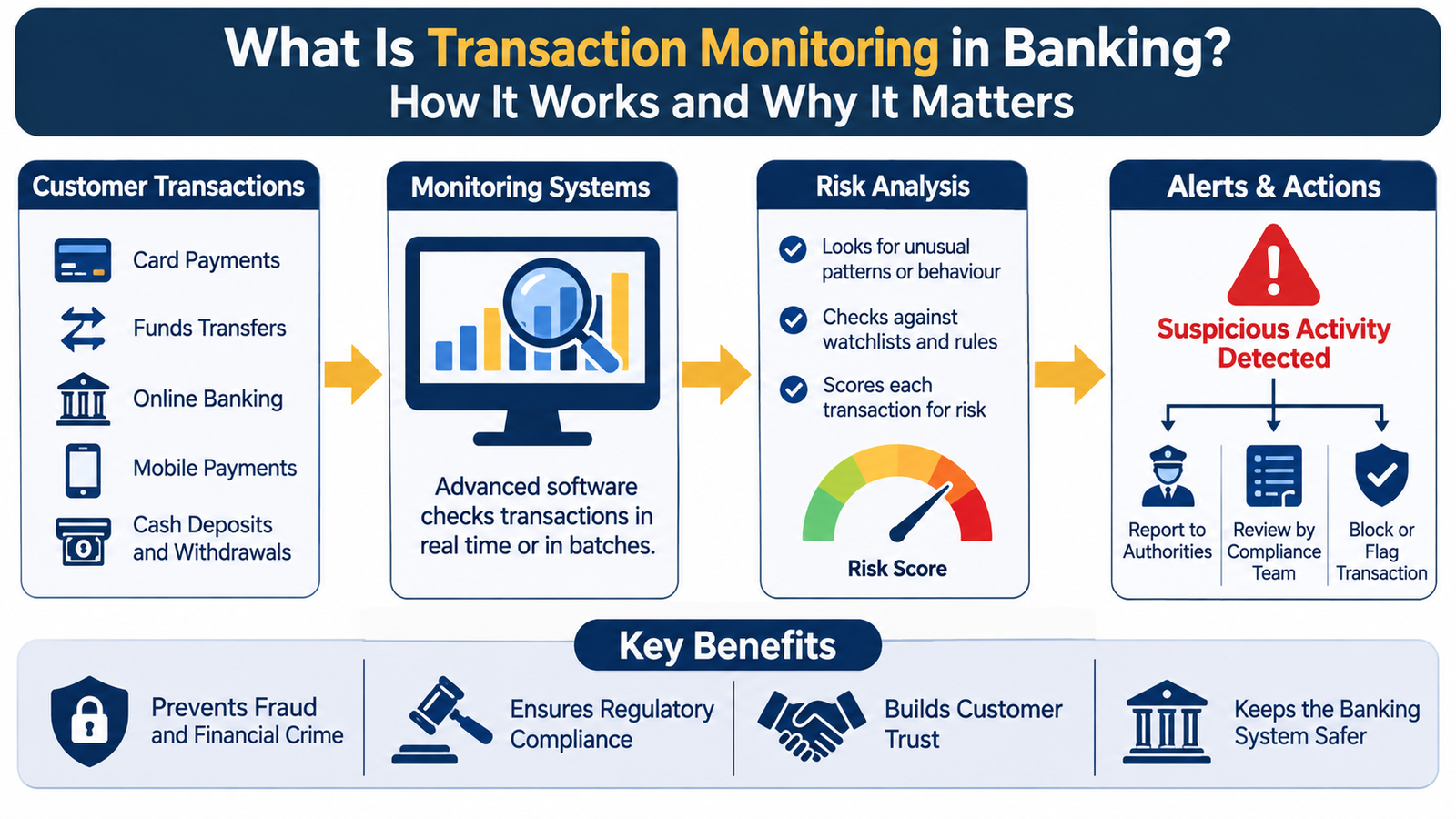
What is transaction monitoring in banking and how automated systems detect suspicious financial transactions.

Transaction monitoring in banking is the process of reviewing customer transactions to identify unusual patterns, activity inconsistent with a customer’s known financial profile, or transactions that may indicate money laundering, terrorist financing, fraud, or other financial crime. Banks use transaction monitoring as an important part of their anti-money laundering (AML) and financial crime prevention frameworks. … Read more


Source of Wealth vs Source of Funds: Key Differences Explained

source of wealth vs source of funds

Source of wealth vs source of funds is an important distinction in banking and anti-money laundering (AML) procedures. Although the two terms are closely related, they refer to different aspects of a customer’s financial background. Source of funds focuses on the origin of money involved in a particular transaction, while source of wealth explains how … Read more

Anti-Money Laundering (AML): A Practical Guide for Bankers

anti money laundering AML banking compliance

Anti money laundering (AML) is the process of preventing and detecting the use of the financial system to disguise or move proceeds derived from criminal activity. For banks and other financial institutions, anti-money laundering (AML) is not simply a compliance requirement. It is an important part of protecting the integrity of the financial system, understanding … Read more

Fraud Detection Tests: Practical Audit Procedures to Identify Suspicious Transactions

how to detect financial fraud

Learn practical fraud detection tests for purchasing, suppliers, invoices, approvals and payments, and how to investigate suspicious patterns