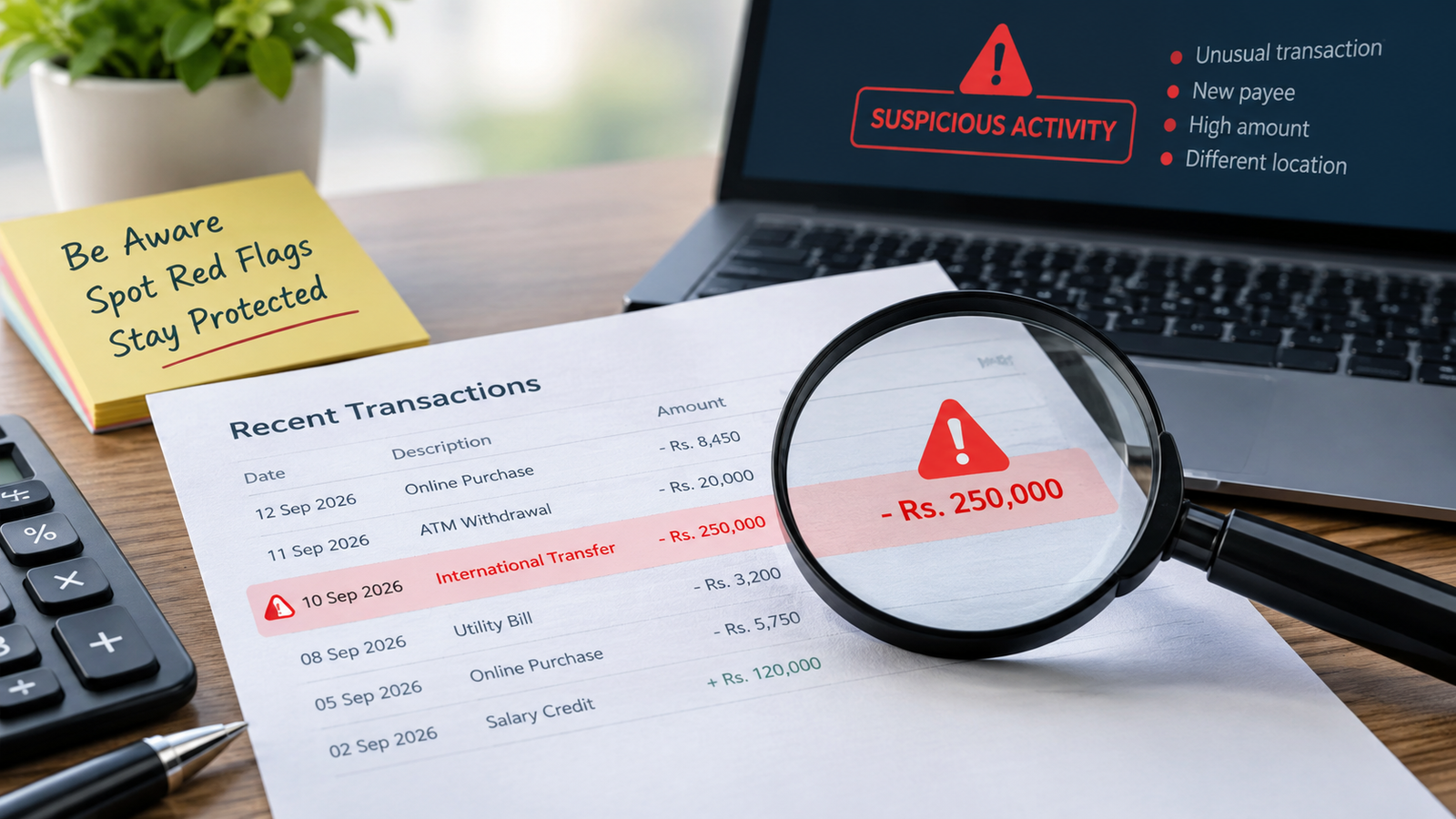
What Does Your Bank Statement Tell a Bank About You?

Bank statement analysis showing income, expenses and transaction patterns

Bank statement analysis helps individuals understand their income, spending, savings and financial activity. Banks may also review account statements as part of customer due diligence, transaction monitoring or financing assessments. Understanding the patterns in your bank statement can help you maintain accurate financial records and explain significant transactions when supporting information is requested. A bank … Read more
Banking Compliance: Roles, Responsibilities and Why It Matters

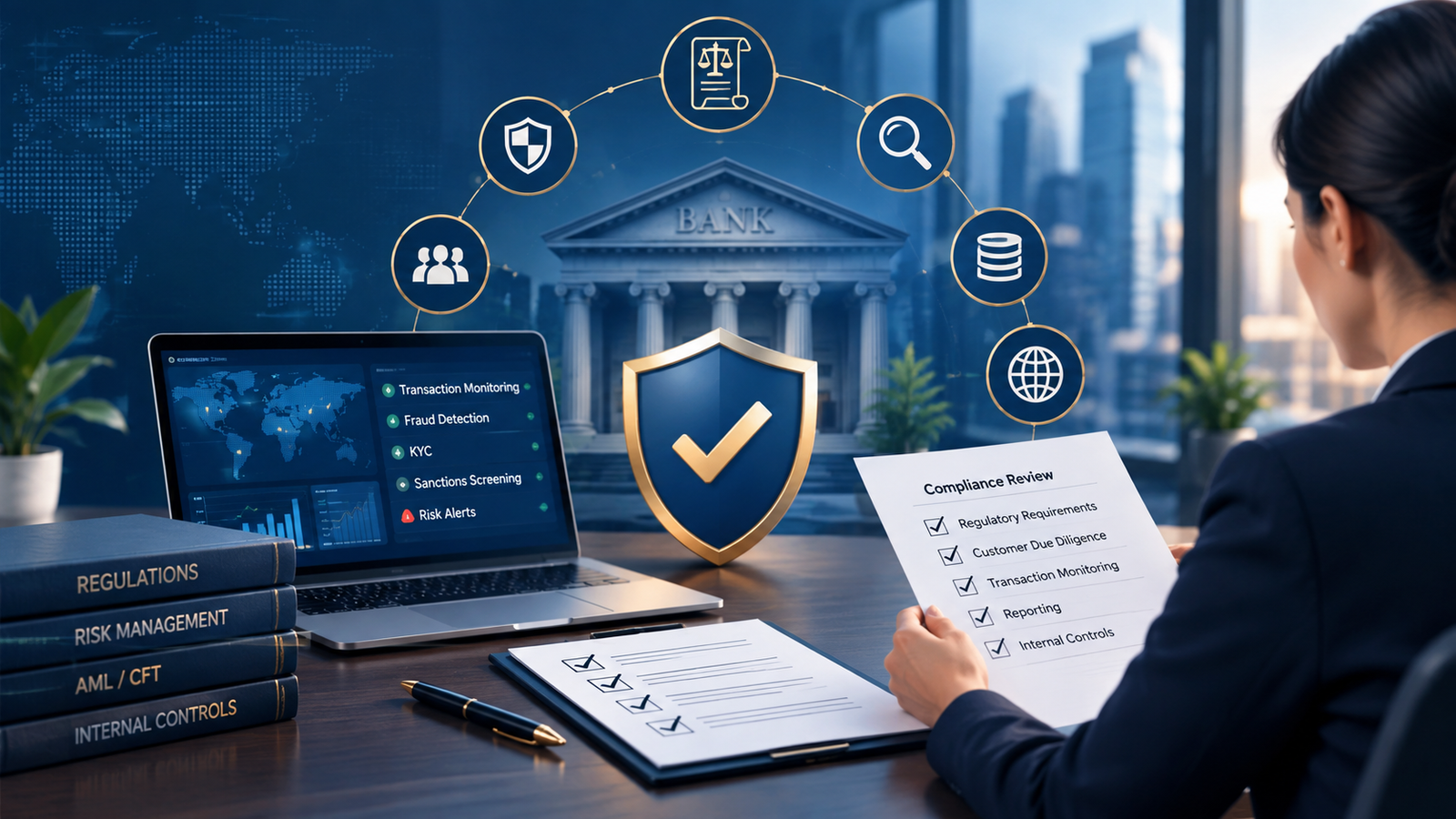
banking compliance

What Is Banking Compliance? Banking compliance is the process of ensuring that a bank conducts its business in accordance with applicable laws, regulations, regulatory instructions, internal policies and appropriate standards of conduct. In practical terms, banking compliance involves identifying the requirements that apply to a bank’s activities, establishing appropriate controls and procedures, monitoring whether those … Read more

What Makes a Bank Transaction Look Suspicious?

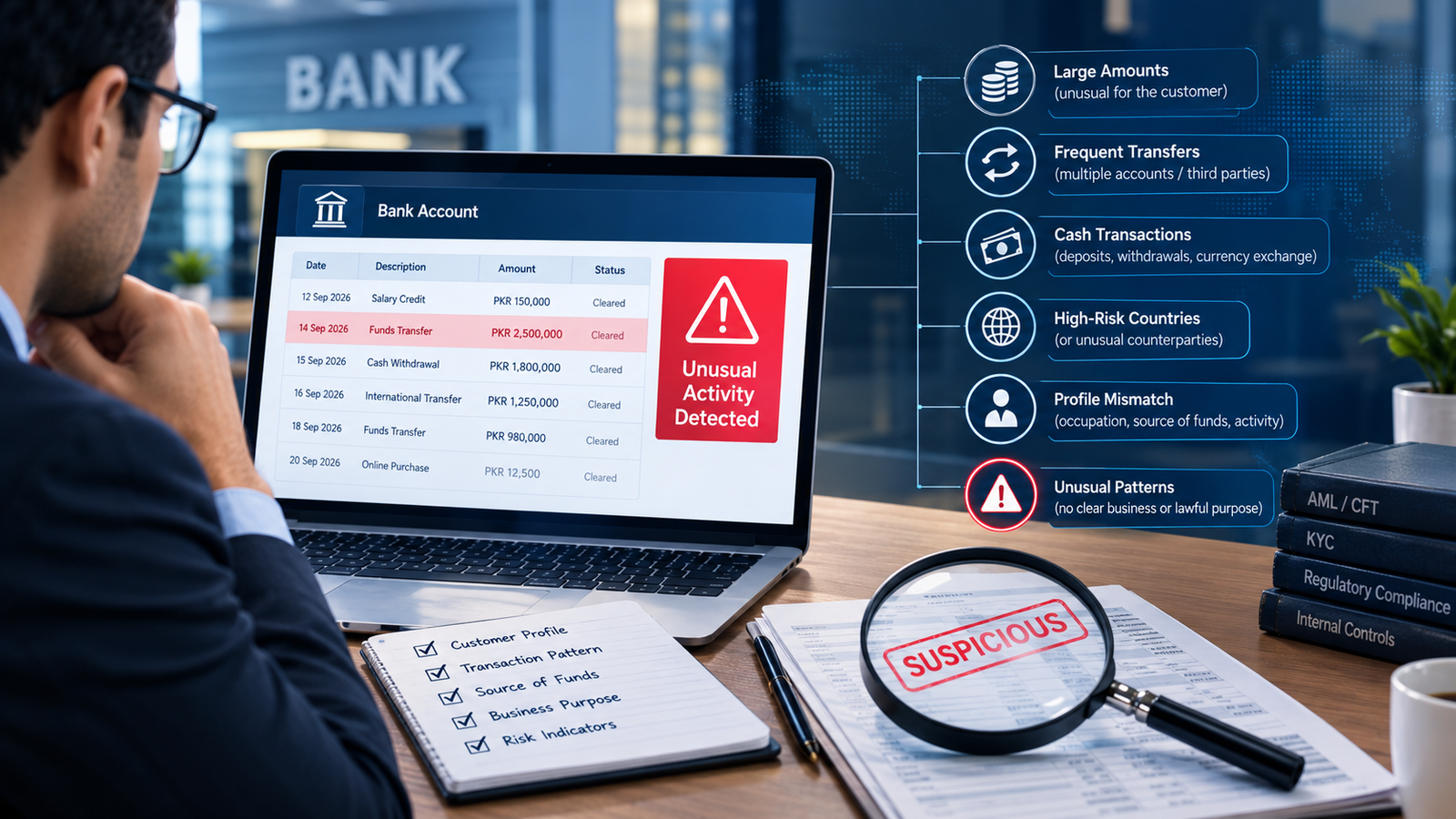
What Makes a Bank Transaction Look Suspicious

What makes a bank transaction look suspicious is usually not the transaction amount alone. A transaction may attract attention when it does not appear consistent with the customer’s known profile, normal account activity, stated source of funds or expected business purpose. This does not mean that an unusual transaction automatically means money laundering or financial … Read more

Why Banks Ask About the Source of Funds

Why banks ask about the source of funds

If a bank asks you about the source of funds in your account, it does not necessarily mean that the bank considers you suspicious. In many situations, the question is part of the bank’s customer due diligence and ongoing transaction-monitoring responsibilities. Banks need to understand their customers, the nature and purpose of their accounts, their … Read more

Anti-Money Laundering (AML): A Practical Guide for Bankers

anti money laundering AML banking compliance

Anti money laundering (AML) is the process of preventing and detecting the use of the financial system to disguise or move proceeds derived from criminal activity. For banks and other financial institutions, anti-money laundering (AML) is not simply a compliance requirement. It is an important part of protecting the integrity of the financial system, understanding … Read more

Fraud Detection Tests: Practical Audit Procedures to Identify Suspicious Transactions

how to detect financial fraud

Learn practical fraud detection tests for purchasing, suppliers, invoices, approvals and payments, and how to investigate suspicious patterns

Fraud Warning Signs: 50+ Red Flags Organizations Should Watch For

Fraud warning signs and internal controls

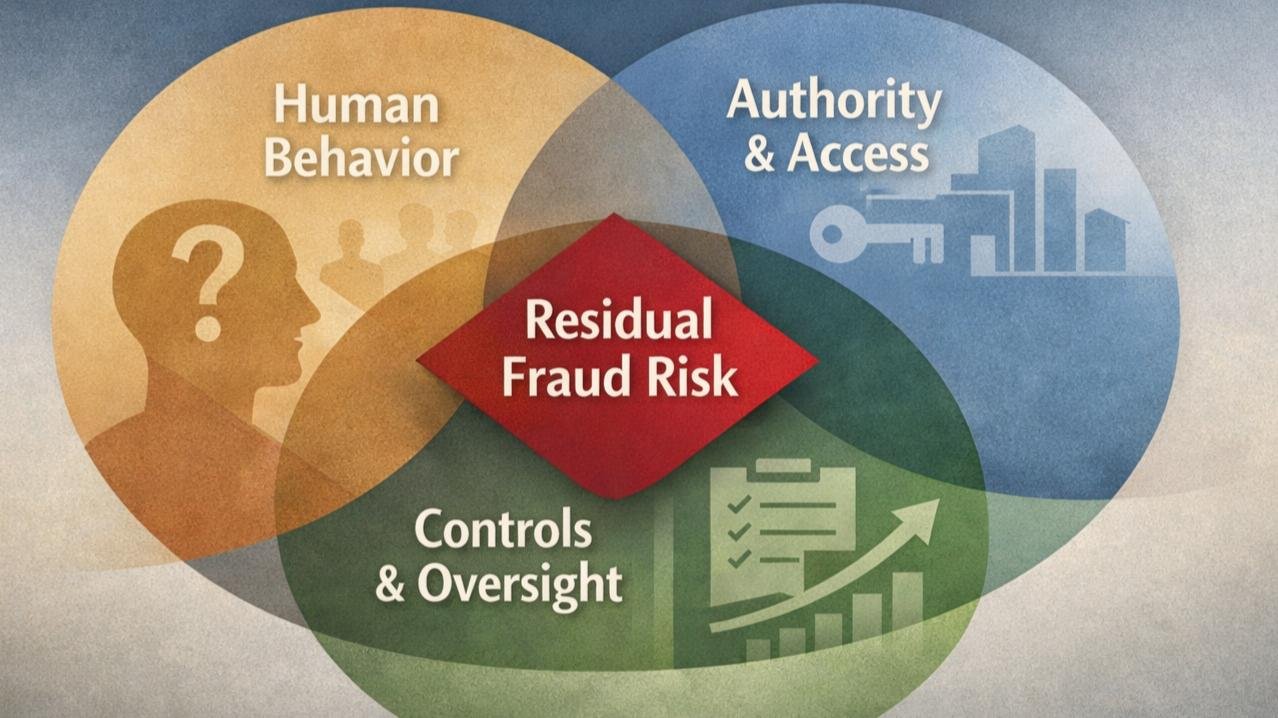
Fraud warning signs can help organizations identify unusual activity, control weaknesses and potential areas of fraud risk. Fraud can occur in almost any organization, regardless of its size, industry or financial position. It may involve employees, management, customers, suppliers, contractors or other parties connected with the organization. In many cases, fraud does not begin with … Read more