What Is Transaction Monitoring in Banking? How It Works
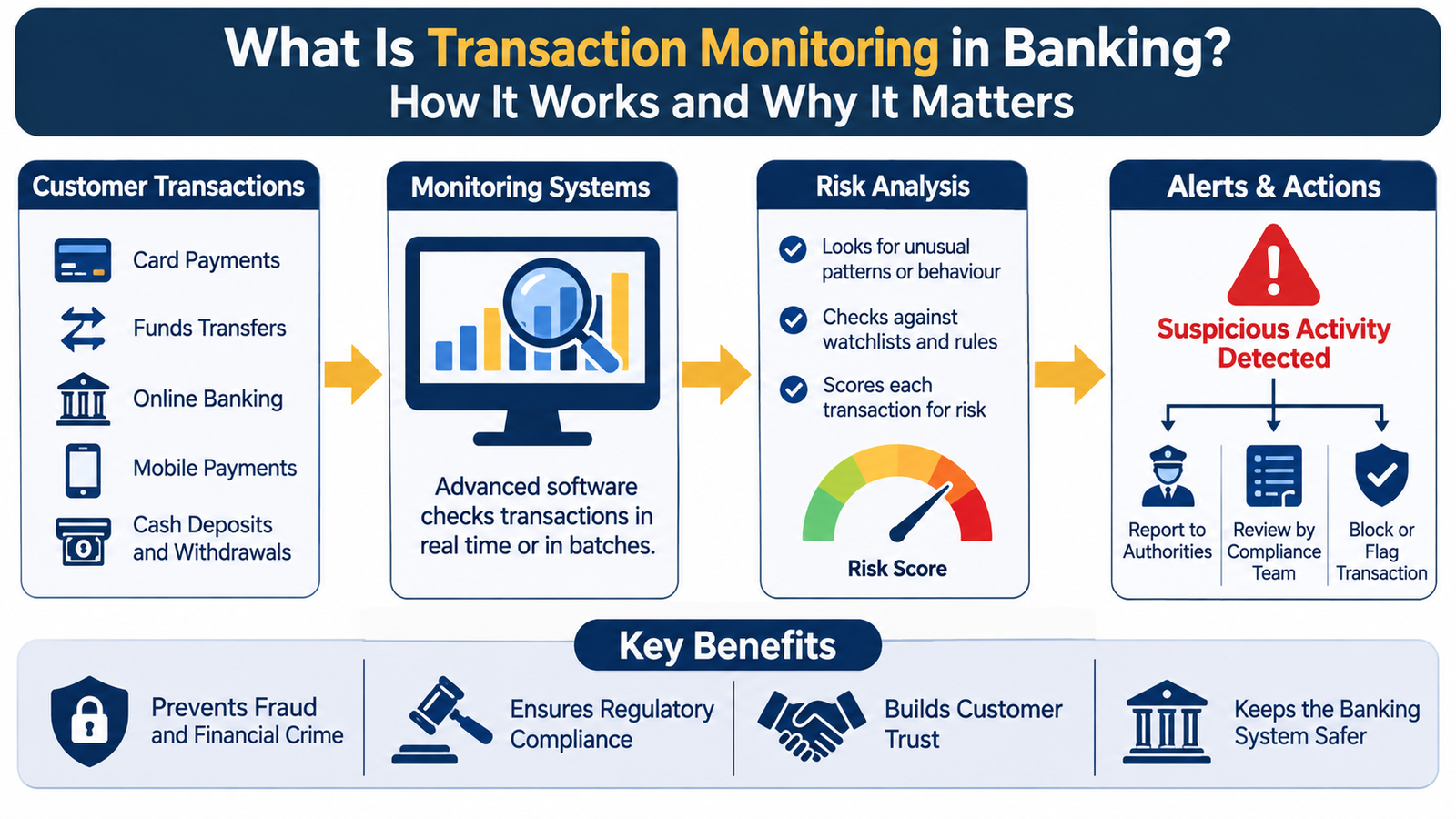
What is transaction monitoring in banking and how automated systems detect suspicious financial transactions.

Transaction monitoring in banking is the process of reviewing customer transactions to identify unusual patterns, activity inconsistent with a customer’s known financial profile, or transactions that may indicate money laundering, terrorist financing, fraud, or other financial crime. Banks use transaction monitoring as an important part of their anti-money laundering (AML) and financial crime prevention frameworks. … Read more

What Makes a Bank Transaction Look Suspicious?

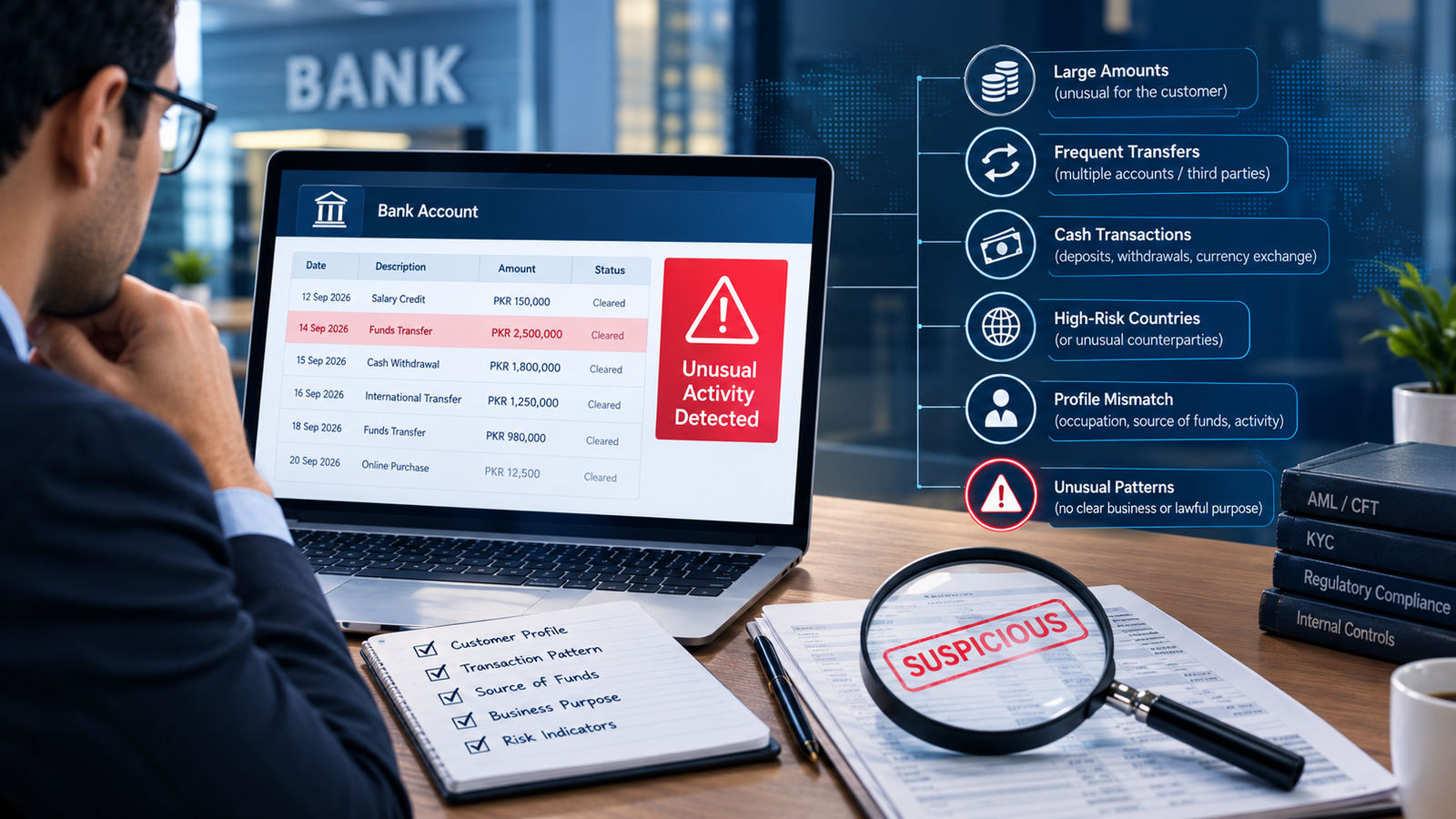
What Makes a Bank Transaction Look Suspicious

What makes a bank transaction look suspicious is usually not the transaction amount alone. A transaction may attract attention when it does not appear consistent with the customer’s known profile, normal account activity, stated source of funds or expected business purpose. This does not mean that an unusual transaction automatically means money laundering or financial … Read more

Why Banks Ask About the Source of Funds

Why banks ask about the source of funds

If a bank asks you about the source of funds in your account, it does not necessarily mean that the bank considers you suspicious. In many situations, the question is part of the bank’s customer due diligence and ongoing transaction-monitoring responsibilities. Banks need to understand their customers, the nature and purpose of their accounts, their … Read more

Fraud Detection Tests: Practical Audit Procedures to Identify Suspicious Transactions

how to detect financial fraud

Learn practical fraud detection tests for purchasing, suppliers, invoices, approvals and payments, and how to investigate suspicious patterns

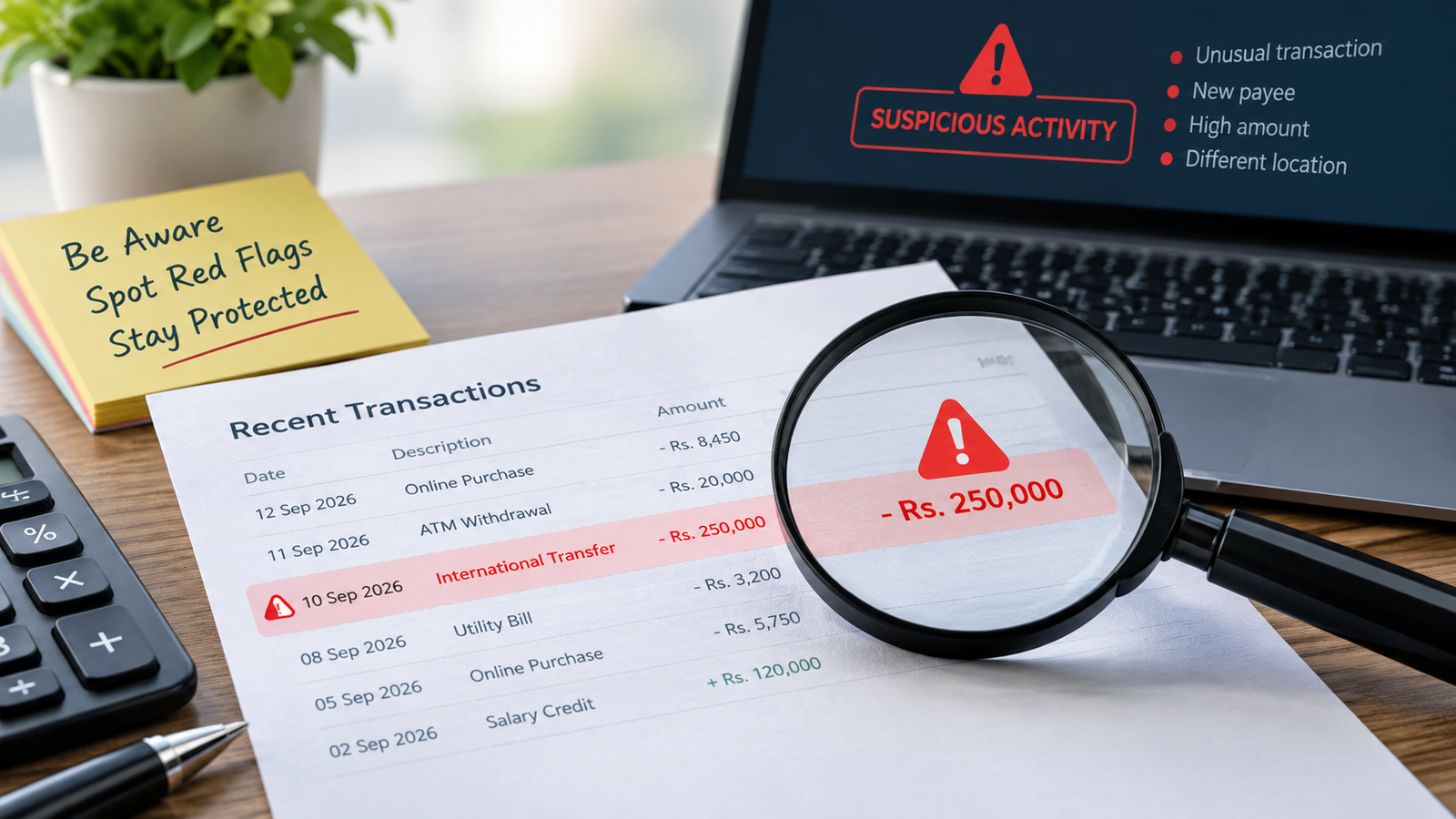
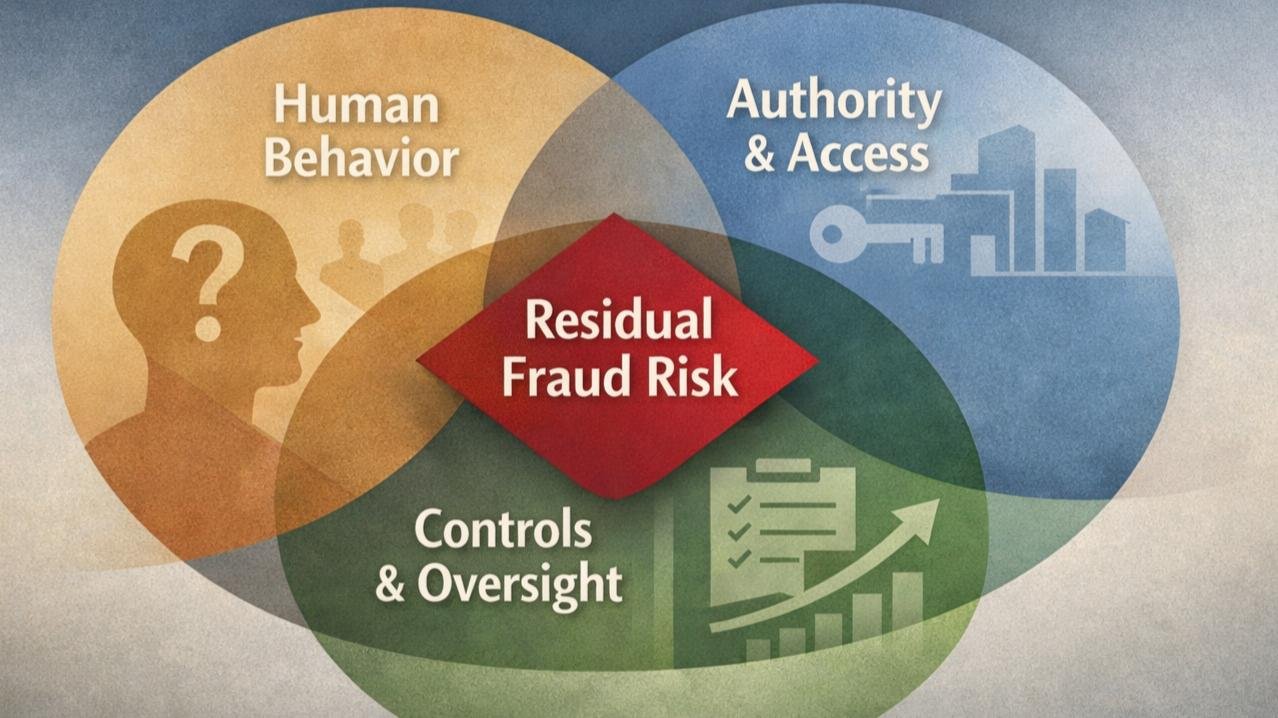
Fraud Warning Signs: 50+ Red Flags Organizations Should Watch For

Fraud warning signs and internal controls

Fraud warning signs can help organizations identify unusual activity, control weaknesses and potential areas of fraud risk. Fraud can occur in almost any organization, regardless of its size, industry or financial position. It may involve employees, management, customers, suppliers, contractors or other parties connected with the organization. In many cases, fraud does not begin with … Read more