Lump Sum vs Monthly Investing: Which Strategy Fits You?

Lump sum vs monthly investing comparison

Lump sum vs monthly investing is an important decision for anyone looking to grow their money over time. Lump sum investing means investing a larger amount at once, while monthly investing involves contributing smaller amounts at regular intervals. Both approaches have advantages and risks, and the right choice depends on your available capital, investment horizon, … Read more


What Does Your Bank Statement Tell a Bank About You?

Bank statement analysis showing income, expenses and transaction patterns

Bank statement analysis helps individuals understand their income, spending, savings and financial activity. Banks may also review account statements as part of customer due diligence, transaction monitoring or financing assessments. Understanding the patterns in your bank statement can help you maintain accurate financial records and explain significant transactions when supporting information is requested. A bank … Read more

How to Measure Investment Performance Properly

how to measure investment performance

Measure investment performance to understand how effectively your money is growing over time. Simply looking at your current investment balance does not tell you whether an investment has delivered a good return. You need to consider your original investment, additional deposits, withdrawals, dividends, fees, taxes, and the period for which your money was invested. Whether … Read more

Before You Invest: A Practical Checklist for Your Next Investment

Investment checklist for evaluating financial opportunities

An investment checklist helps you evaluate an investment opportunity before committing your money. It encourages you to assess your financial goals, risk tolerance, expected returns, investment costs, liquidity needs, and the credibility of the investment provider. Whether you are considering stocks, mutual funds, or other assets, following a structured checklist can help you avoid common … Read more

How to Build Wealth on an Average Salary

how to build wealth on an average salary

How to build wealth on an average salary is not about earning an exceptionally high income. It is about making deliberate decisions with the income you already have—controlling expenses, building financial security, managing debt, investing regularly and allowing your wealth to grow over time. Many people assume that building wealth requires a large salary or … Read more

Banking Compliance: Roles, Responsibilities and Why It Matters

banking compliance

What Is Banking Compliance? Banking compliance is the process of ensuring that a bank conducts its business in accordance with applicable laws, regulations, regulatory instructions, internal policies and appropriate standards of conduct. In practical terms, banking compliance involves identifying the requirements that apply to a bank’s activities, establishing appropriate controls and procedures, monitoring whether those … Read more

What Makes a Bank Transaction Look Suspicious?

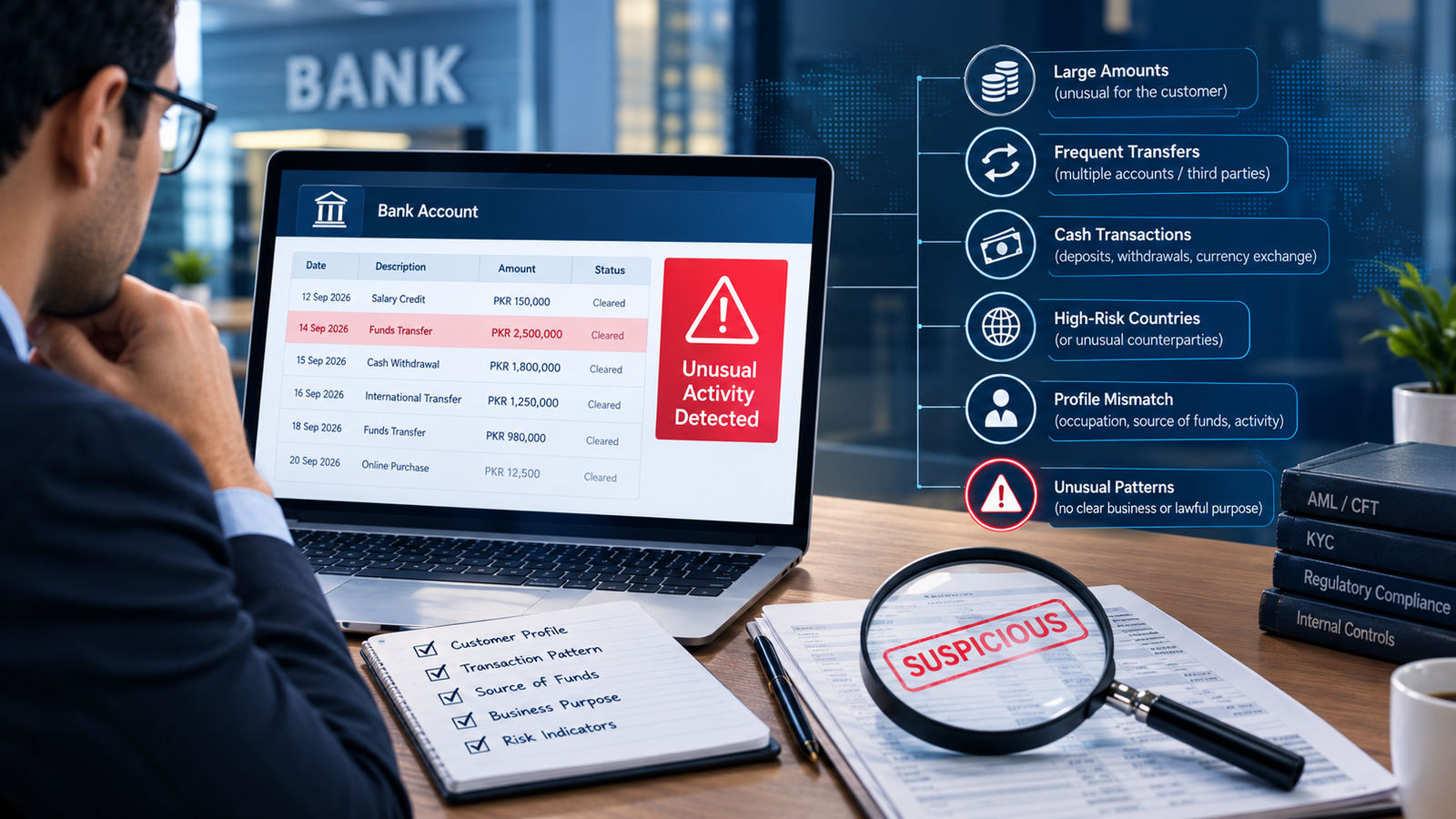
What Makes a Bank Transaction Look Suspicious

What makes a bank transaction look suspicious is usually not the transaction amount alone. A transaction may attract attention when it does not appear consistent with the customer’s known profile, normal account activity, stated source of funds or expected business purpose. This does not mean that an unusual transaction automatically means money laundering or financial … Read more

Banking Internal Controls: A Practical Controls Gap Assessment Framework

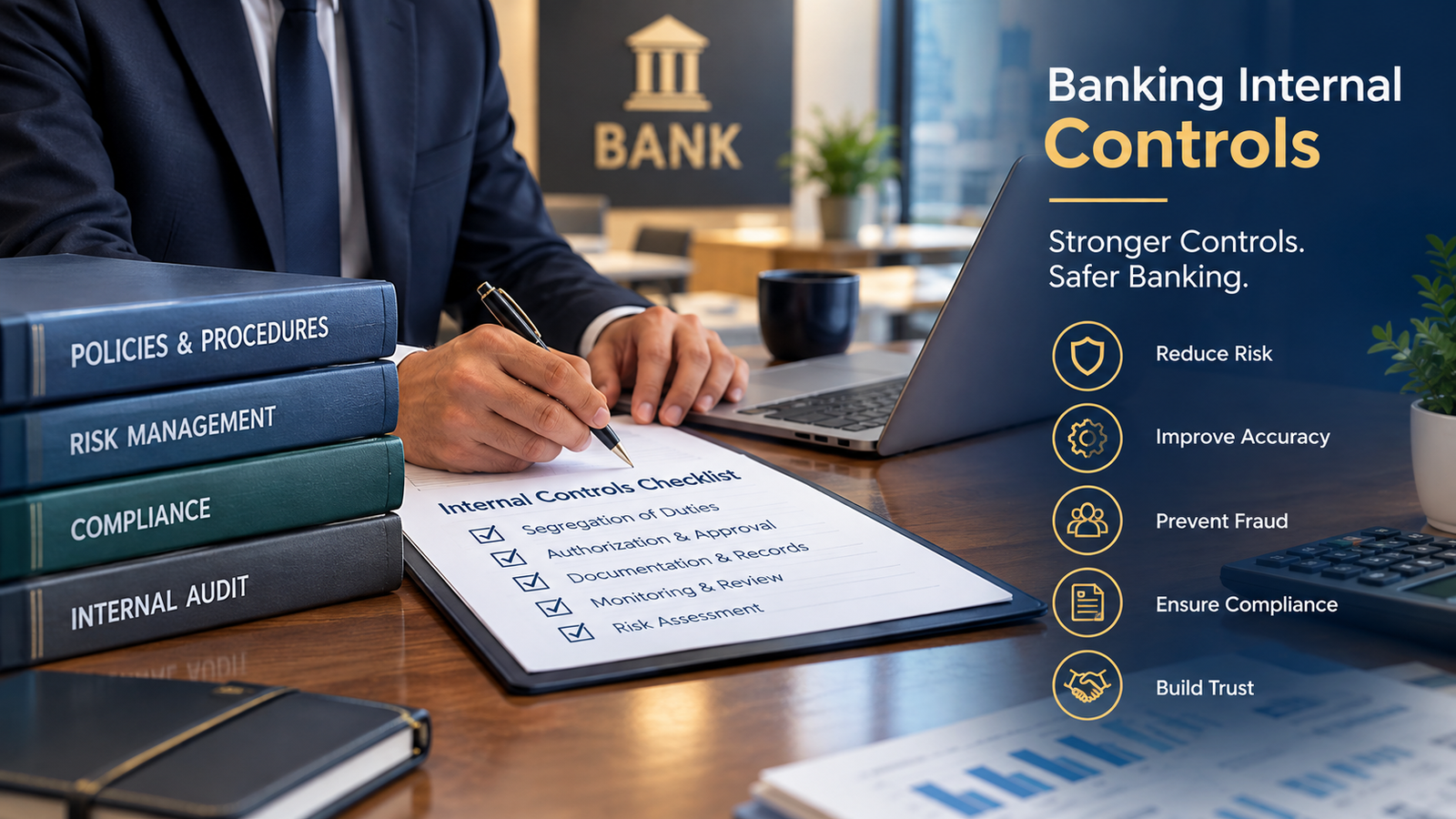
banking internal controls

A practical framework for assessing banking internal controls, identifying control gaps and strengthening exception monitoring, governance, AML/KYC and operational risk controls.

Why Banks Ask About the Source of Funds

Why banks ask about the source of funds

If a bank asks you about the source of funds in your account, it does not necessarily mean that the bank considers you suspicious. In many situations, the question is part of the bank’s customer due diligence and ongoing transaction-monitoring responsibilities. Banks need to understand their customers, the nature and purpose of their accounts, their … Read more